Skip to content

Table of Contents
A root canal is meant to eliminate infection & protect your natural tooth long-term. For most patients, it does exactly that. But when symptoms return weeks, months, or even years later, it can feel confusing and frustrating. That is where Endodontic Retreatment at Endodontic Specialists by Solomon Dental in Summerville, SC, fits in.
What causes infection after a root canal, and how does retreatment fix it?
Infection after a root canal can occur when bacteria remain in hidden canals, re-enter through cracks, or seep in due to a failing restoration. Retreatment addresses this by reopening the tooth, removing infection, thoroughly disinfecting the canals, and sealing them again to protect the tooth and restore long-term oral health.
Why Infection Can Still Happen After a Root Canal
A root canal removes infected tissue and seals the tooth, but success depends on both the procedure itself and what happens afterward. When any part of that process is compromised, bacteria can find their way back in.
One of the most common reasons for infection after a root canal is the natural complexity of tooth anatomy. Some teeth have narrow, curved, or extra canals that are difficult to detect during the initial treatment. If even a small portion is missed, bacteria can remain hidden and multiply over time.
Other causes are less about anatomy and more about timing and protection. For example, if the final crown or restoration is delayed, the tooth remains vulnerable. Without that protective seal, bacteria from the mouth can re-enter and contaminate the treated area.
You may also see reinfection develop due to:
- New decay forming around the treated tooth
- Cracks or fractures that expose the inner structure
- Breakdown of the original filling or crown over time
- Saliva contamination during or after treatment
Even a tiny opening is enough for bacteria to enter. That is why infection after a root canal is not always immediate. It can take months or even years before symptoms appear.
Signs That a Root Canal Infection Has Returned
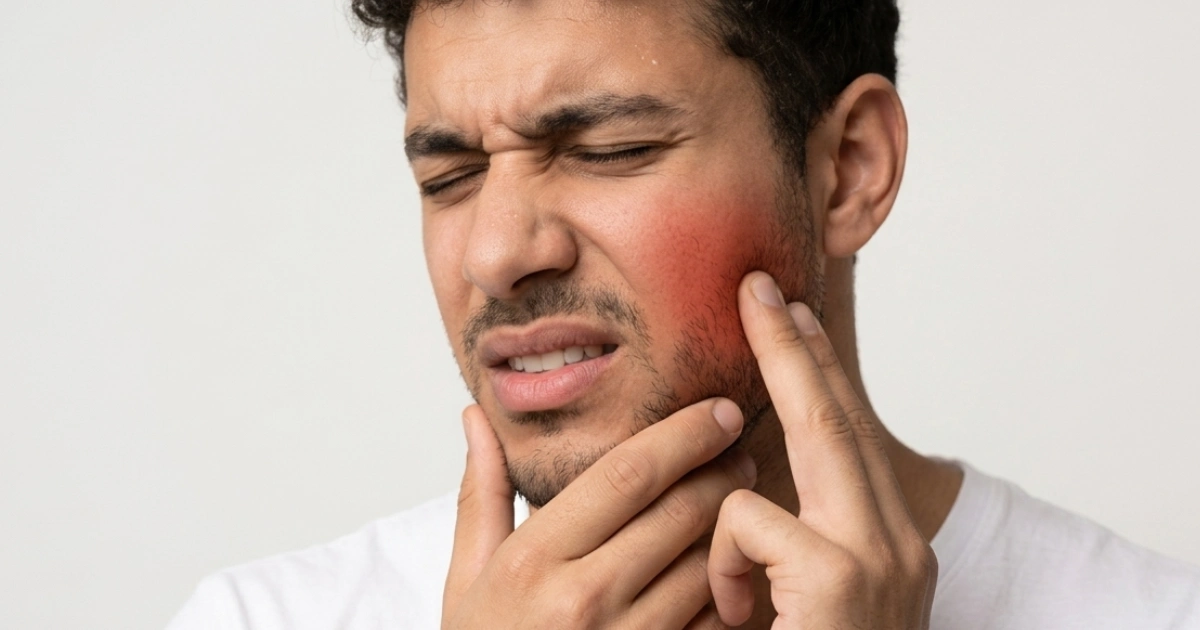
Recognizing the early signs of a returning root canal infection can help you take action before the issue becomes more severe. While pain is often the first thing people notice, not every case is straightforward.
Some of the most common symptoms include:
- Pain when chewing or applying pressure to the tooth
- Swelling or tenderness in the surrounding gums
- A small bump on the gums that may release fluid
- Sensitivity that lingers longer than expected
- A tooth that appears darker than the surrounding teeth
- A recurring unpleasant taste in your mouth
In some cases, the infection may not cause noticeable pain. Instead, it may show up on an X-ray during a routine visit. This is why regular dental checkups remain important, even after a root canal.
If something feels off, it is worth having it evaluated. If you wait too long, the infection may spread to the nearby bone.
How Endodontic Retreatment for Root Canal Infection Fixes the Problem
When infection returns, Endodontic Retreatment addresses the root cause rather than just the symptoms. The goal is to remove any remaining or newly introduced bacteria and create a clean, sealed environment again.
During a root canal retreatment procedure, the tooth is carefully reopened to access the inside, which can be cleaned again. This step allows the specialist to evaluate what may have been missed or what has changed since the original treatment.
The process typically includes:
- Removing the previous filling material to expose the canal system
- Re-cleaning and disinfecting all canals thoroughly
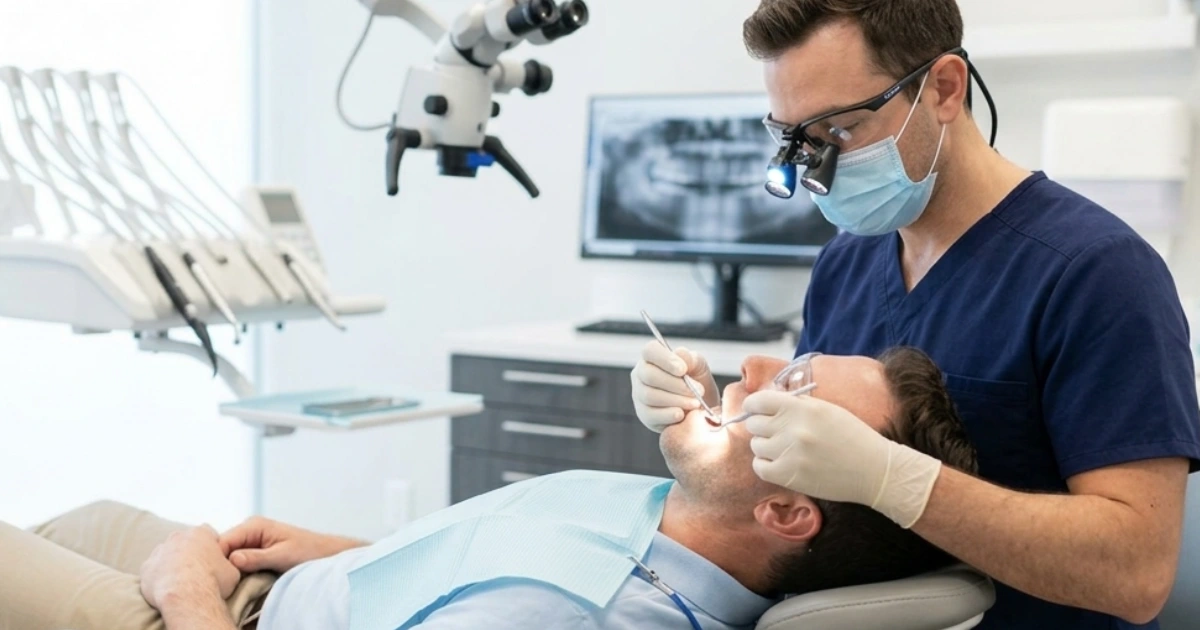
- Using advanced magnification and imaging to locate hidden or complex canals
- Treating areas that may not have been reachable during the first procedure
- Sealing the canals again to prevent future bacterial entry
At Endodontic Specialists by Solomon Dental, retreatment is performed using specialized equipment designed for precision and visibility. By addressing both the original cause and any new contamination, root canal retreatment provides a second opportunity to resolve the infection and preserve your tooth.
What to Expect During the Retreatment Process
It is normal to feel unsure about undergoing another procedure, especially if your first experience was already a big step. The good news is that root canal retreatment is very similar in structure to the original treatment, with added attention to detail.
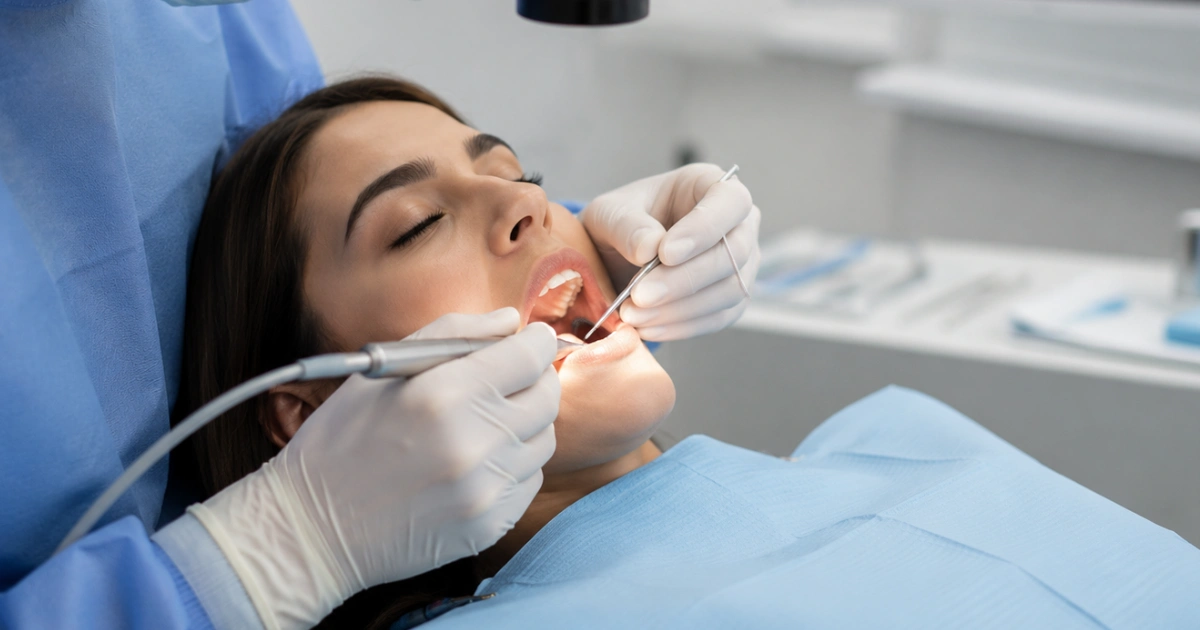
The appointment typically begins with local anesthesia to keep you comfortable throughout the process. Once the area is numb, the tooth is reopened, and the previous filling material is removed.
From there, the specialist will:
- Examine the internal structure of the tooth carefully
- Use advanced imaging and magnification to identify all canal pathways
- Clean and disinfect the canals thoroughly
- Place a new filling material to seal the tooth
In many cases, a crown is recommended after retreatment to protect the tooth from future damage. This step is important because a properly sealed and restored tooth is far less likely to develop reinfection.
Working with an endodontic retreatment specialist means you are receiving care from someone who specializes in these complex cases. That expertise can help improve both comfort and long-term success.
When Retreatment Is the Right Choice Over Extraction
When faced with a recurring infection, it is easy to assume that removing the tooth might be the simplest solution. However, preserving your natural tooth is often the better option when possible.
Endodontic Retreatment in Summerville, SC is usually recommended when the tooth still has enough structure to support restoration. Saving the natural tooth offers several benefits that replacement options cannot fully replicate.
These include:
- Maintaining your natural bite and alignment
- Preventing nearby teeth from shifting
- Avoiding more involved procedures like implants or bridges
- Preserving bone structure in the jaw
How to Reduce the Risk of Reinfection After Retreatment
After completing root canal retreatment, the focus shifts to protecting the tooth and maintaining the results. While retreatment is highly effective, long-term success depends on a few key factors.
One of the most important steps is completing the final restoration promptly. A crown or protective restoration helps seal the tooth and prevents bacteria from entering.
Beyond that, daily habits and regular care play a major role. You can support your results by:
- Brushing and flossing consistently to reduce bacterial buildup
- Attending follow-up visits so our providers at Endodontic Specialists by Solomon Dental can monitor healing
- Addressing any new dental concerns, such as cracks or decay, as early as possible
It is also important to avoid putting excessive pressure on the treated tooth, especially if a crown has not yet been placed. Small habits can make a big difference in preventing another infection after a root canal.
Glow Up Your Tooth
At Endodontic Specialists by Solomon Dental, retreatment is performed with advanced precision to address infection and preserve your natural tooth. If you are dealing with lingering symptoms, there is still a path forward. Save your natural tooth before extraction becomes necessary. Schedule your retreatment consultation now!