Skip to content

Table of Contents
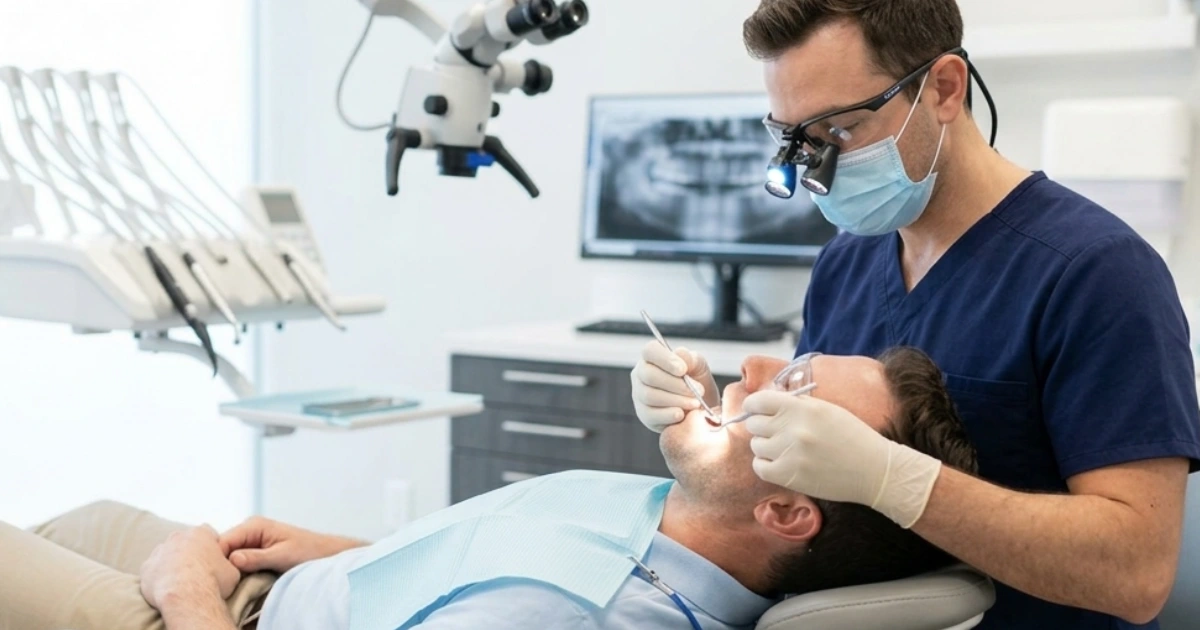
If you’ve already had a root canal and you’re back to feeling the same familiar ache, pressure, or swelling, you’re not imagining things. A recurring tooth infection after root canal treatment is a real and frustrating experience. That is where the GentleWave Procedure for root canal reinfection at Endodontic Specialists by Solomon Dental in Summerville, SC fits in.
Why does the GentleWave® procedure improve root canal disinfection?
The GentleWave® Procedure improves root canal disinfection by using Multisonic Ultracleaning technology to push cleaning solution into the lateral canals, fins, and microscopic spaces that conventional files cannot reach. Rather than relying on mechanical instrumentation alone, it cleans the entire canal system more thoroughly, reducing the bacteria most likely to cause reinfection.
Why Tooth Infections Come Back After a Root Canal
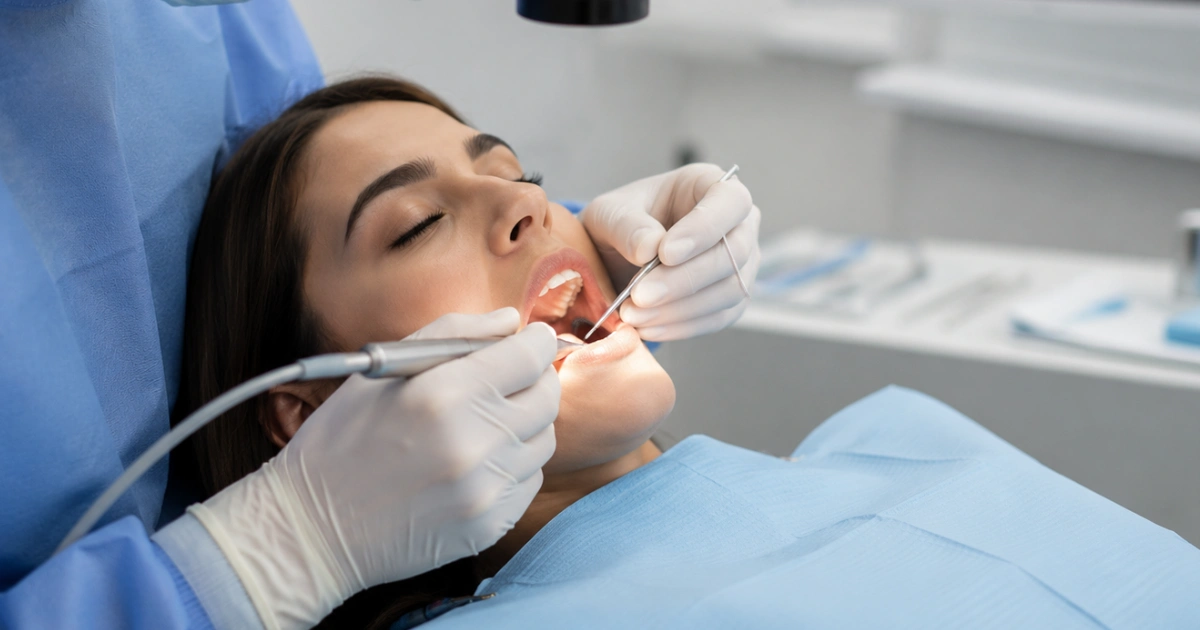
Root canal reinfection treatment starts with understanding why the infection returned in the first place. A conventional root canal uses small files to clean the tooth’s main canal, removing infected tissue and bacteria.
For many patients, that’s enough. But for others, it isn’t, and the reason comes down to the limits of mechanical cleaning. Standard files can only reach so far. Bacteria that survive in lateral canals, microscopic fins, and branching spaces within the root can remain after the procedure is complete.
Over time, that residual bacteria multiply. Months or even years later, the infection resurfaces. This is not a reflection of the skill of your original provider. It is a structural limitation of the conventional approach, and it affects a meaningful number of patients.
The Part of Your Tooth That’s Hard to Reach
Most people picture a root canal as a single clean tube running through the root of a tooth. In reality, it’s much more complex than that. Root canal systems branch, loop, curve, and taper in ways that standard instruments simply cannot follow.
The areas most commonly associated with failed root canal therapy are the isthmus (a narrow channel connecting two canals), the lateral canals that branch off the main system, and the apical delta near the tip of the root.
These are tight, irregular spaces where bacteria can hide and where conventional irrigation solutions often fail to penetrate deeply enough to do their job. Understanding this helps explain why recurring tooth infection treatment sometimes requires a more advanced approach than the original procedure offered.
How the GentleWave® Procedure Cleans Differently
The GentleWave® Procedure was developed specifically to address the cleaning limitations of conventional root canal treatment. GentleWave endodontic treatment uses Multisonic Ultracleaning technology, a system that combines acoustic energy with optimized fluid dynamics to deliver the cleaning solution throughout the entire canal system, including branching spaces and microscopic areas that files cannot reach.
Rather than relying primarily on mechanical filing, the GentleWave root canal treatment uses fluid agitated at multiple frequencies to achieve a broad, deep cleaning effect with minimal removal of healthy tooth structure.
Clinical data from Sonendo, the company behind GentleWave®, supports the procedure’s ability to reduce bacteria throughout the canal system more thoroughly than conventional methods. That said, no treatment eliminates every variable.
Results depend on the condition of the tooth, the complexity of the canal system, and individual patient factors. What GentleWave® offers is a meaningfully higher standard of cleaning, particularly for patients whose history suggests that conventional methods fell short.
What This Means for Patients Who Have Already Had a Root Canal
If you’re dealing with a recurring tooth infection after prior treatment, you may be wondering whether the tooth is even worth saving. In many cases, it is.
Teeth that have been previously treated are often candidates for retreatment, and the GentleWave® Procedure can be used in retreatment cases. The key question is whether the remaining tooth structure is still viable, and that assessment requires a clinical evaluation.
Some patients who might otherwise consider extraction find that thorough retreatment with advanced disinfection technology gives their tooth a real second chance.
Candidacy is determined on a case-by-case basis. Not every tooth is a candidate, and an honest consultation will tell you where you stand. But the option is worth exploring before assuming extraction is the only path forward.
Signs the Infection Has Come Back (And When to Act)
Knowing what to watch for helps you act before the situation gets worse. Common signs of root canal reinfection include:
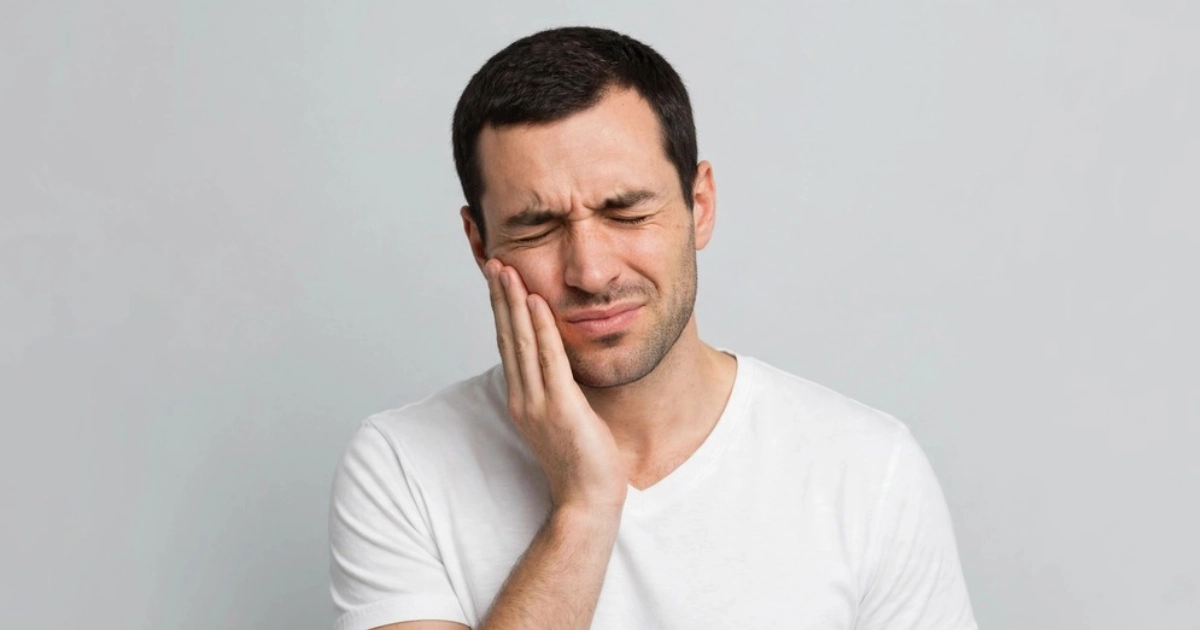
- Pain or pressure that returns weeks or months after your procedure was completed
- Swelling, tenderness, or a small pimple-like bump on the gum near the treated tooth
- Sensitivity to pressure or temperature that never fully resolves or comes back after a period of feeling better
If any of these sound familiar, it’s worth getting an evaluation sooner rather than later. A reinfection that’s caught early typically leaves more options on the table. Waiting tends to narrow them.
Common Questions About GentleWave® and Root Canal Reinfection
Can a tooth that has already been treated be treated with GentleWave®?
Yes, in many cases. GentleWave® can be used for retreatment, though candidacy depends on the condition of the tooth and is assessed during a consultation.
Is it more uncomfortable than a conventional root canal?
Most patients report that the GentleWave® experience is comparable to or more comfortable than a conventional root canal. The procedure is designed to be minimally invasive.
How does a provider decide between retreatment and extraction?
The decision is based on the structural integrity of the tooth, the extent of the infection, and the likelihood that retreatment can produce a lasting result. An endodontist is best positioned to make that call.
What makes this different from a standard retreatment?
The difference is in how thoroughly the canal system is cleaned. Advanced root canal cleaning with GentleWave® reaches areas that conventional retreatment instruments typically cannot, which matters most in cases where incomplete disinfection was likely the original problem.
Why Summerville Patients Choose Endodontic Specialists for Retreatment
Endodontists complete two to three years of post-doctoral specialty training focused exclusively on the tooth’s internal structures. That depth of training matters when the case involves a tooth with a history of infection or a complex canal system.
The GentleWave® Procedure in Summerville, SC, is not available at every dental office, and access to it is a meaningful factor for patients considering retreatment. At Endodontic Specialists by Solomon Dental, the focus is on giving patients every reasonable option before considering extraction.
Glow Up Your Tooth
At Endodontic Specialists by Solomon Dental, the goal is always to help you keep your natural tooth when it’s clinically possible. If a recurring infection has left you unsure about what comes next, a consultation is the clearest place to start. Schedule your GentleWave® Procedure consultation with Endodontic Specialists by Solomon Dental in Summerville, SC, today!